
Investment Opportunities in Agricultural Sector
Niger State’s agriculture sector plays a critical role in the state’s economy, contributing significantly to the livelihoods of its population. With over 80% of its residents engaged in farming, the state’s vast arable land and favorable climate make it ideal for cultivating crops like rice, millet, sorghum and maize, as well as for livestock farming.
The government has been actively working to transform agriculture from subsistence to commercial levels through various initiatives aimed at boosting productivity and sustainability. These efforts include promoting modern farming techniques, enhancing access to finance for farmers and developing agricultural value chains.
Niger State is rich in resources and offers ample opportunities for investors looking to tap into its agricultural potential. The state’s strategic focus on agriculture not only aims to ensure food security but also to create jobs and spur economic growth by attracting investments into agro-processing and related industries.
Investors are encouraged to explore the numerous opportunities available in Niger State’s agriculture sector, which is well-positioned for growth and development in the coming years.
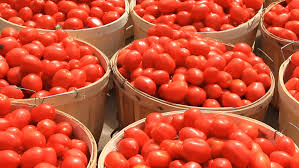
Tomato Processing
There is a tomato policy designed to achieve sustainable tomato processing in Nigeria by raising the tariff on tomato concentrate from 5% to 50% and imposing a $1,500 levy per ton on imported concentrate. Nigeria is the 14th largest producer of tomatoes in the world and the 2nd largest producer in Africa, behind Egypt. The annual demand for tomatoes is 2.45 million metric tons (MT), while the current production is 1.8 million MT per annum. To meet local demand and export requirements, 6 million MT are needed annually.
LOCATION: Bida, Borgu and Mokwa
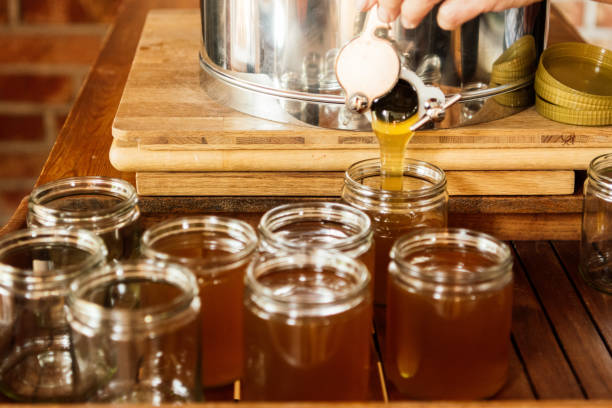
Honey Production & Processing
Establishing industrial-sized honey processing facilities enhances the preservation quality of honey. A significant amount of honey
is supplied to various industries. In laboratories, honey is used to stimulate plant growth, support bacterial culture, inoculate clover
seeds, feed insects, and prepare poison baits for fruit flies.
LOCATION: Minna, Suleja, Kontogora & Bida

Industrial Shea Processing
Industrial Shea Processing
The development of an industrial-sized Shea processing facility in Kudu is a strategic move. The average unit price of Shea butter is NGN476.07K per kilogram, with an average annual income of NGN439,650.37K. The state is expected to earn substantial foreign exchange from the export of Shea nuts and their derivatives due to high international demand. This demand is driven by the use of Shea butter as a substitute for Cocoa Butter
Equivalent (CBE). Western European industries represent the primary market for CBE, with additional market growth attributed to new entrants from Eastern Europe, Russia, Brazil, and Oceania.
LOCATION: Minna, Suleja, Wushishi, Bida & Borgu
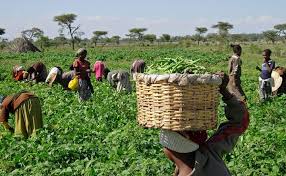
Niger State Agricultural Processing Zone
The Niger State Agricultural Processing Zone (SAPZ) is a transformative agricultural and agro-processing initiative designed to enhance food production, processing, and export capabilities within the region. It aims to create a conducive environment for agribusinesses and promote value addition in agriculture.
LOCATION: Badeggi
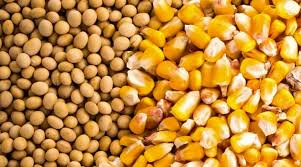
Maize & Soybeans Processing
The initiative for the Creation of New Processing Mills and Link Aggregators aims to establish new processing mills and link aggregators to the mills. Niger State, renowned for its abundant agricultural resources and significant contributions to the production of staple crops such as maize and soybeans, has been chosen for this project. The primary objective is to establish an ultra-modern maize and soybean crushing and processing plant with a capacity of 750 tonnes per day in the first phase, with plans to upscale further over a period of three years.
LOCATION: Minna, Suleja, Wushishi, Bida & Borgu.
Cashew Processing
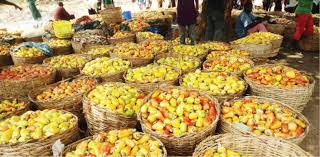
Cashew is an important economic crop in Nigeria, with farming covering a total land area of 320,000 hectares. The annual production of cashew nuts is 675,000 metric tons, while the annual demand is 850,000 metric tons. The yield per hectare is 2,500 kg. About 75% to 80% of cashew nuts in Nigeria are exported. There are 5,949 listings and 481 warehouses available in Nigeria.
LOCATION: Bida, Borgu & Mokwa
Crop Production
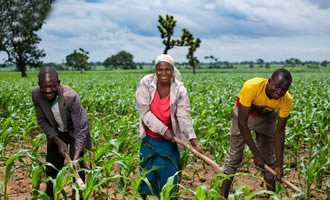
Niger State’s diverse agro-ecological zones support the cultivation of a wide range of crops. Investors can benefit from opportunities in large-scale rice, millet, sorghum and maize farming.
With initiatives aimed at improving irrigation systems and crop management practices, the state is well-positioned for high-yield and sustainable crop production.
Livestock, Dairy, and Aquaculture Development
Investing in agricultural infrastructure, such as storage facilities, transport networks, and irrigation systems, is crucial for improving the efficiency and sustainability of farming operations.
Public-private partnerships are encouraged to enhance infrastructure and logistics.
Research and Development
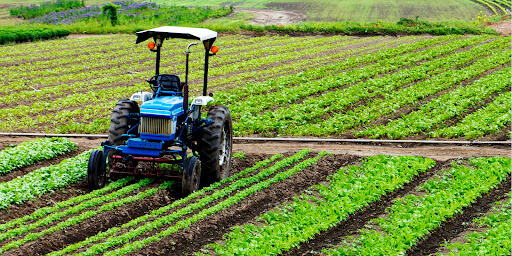
Collaborations with research institutions and universities in Niger State can drive innovation in crop varieties, pest management, and sustainable farming practices.
Investment in R&D can lead to the development of new technologies and methods that benefit the entire agricultural sector.
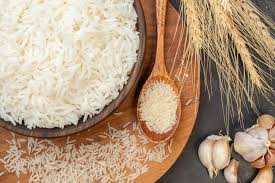
Rice Production and Milling
Rehabilitation of rice production and milling sites involves smallholder farmers. The mill, established in the 1980s, was functioning properly until it was abandoned about 16 years ago due to poor management and inadequate funding. However, the state government is now making concerted efforts to resuscitate the factory and resume full production.
LOCATION: Badeggi