
Infrastructure
including processing units, storage facilities, and packaging centres, to help lower costs for individual investors and make the entire production process more economically viable. This is in addition to existing infrastructure in power, housing, and transport.
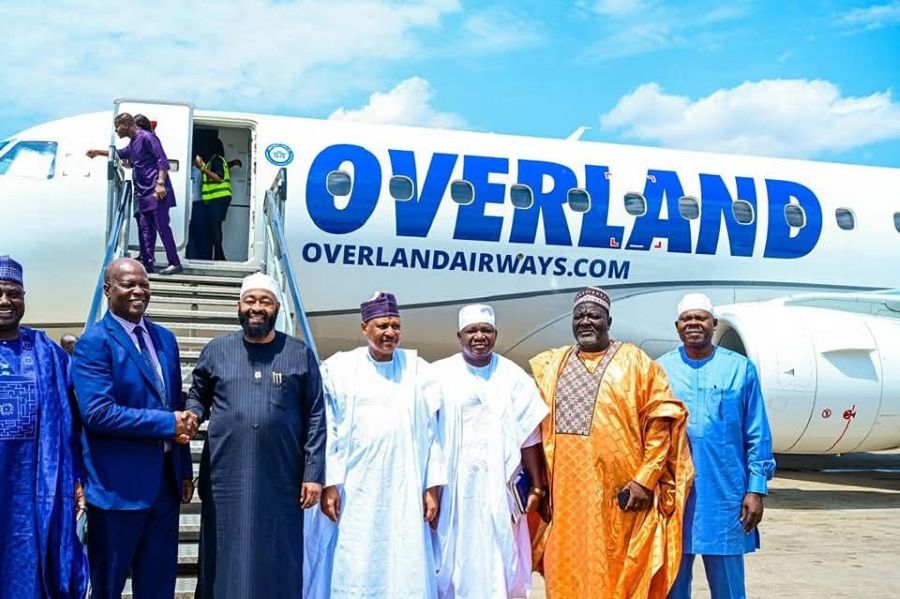
Aviation
Six Cargo/Agro-Allied Terminals are to be located in each of the geopolitical zones:
1. Development of Specialized Airports:
Airports specifically designed for cargo handling and agricultural
products.
Establishment of a facility for aircraft maintenance, including
repairs, inspections, alterations, and the supply of parts.
Planning and development of supporting amenities and facilities
around the airport.
Establishment of a national airline for the country.
Setting up a Public-Private Partnership (PPP) joint venture
company to provide aircraft and engines to airlines on favourable
lease terms over a period of time.
LOCATION: Minna Airport
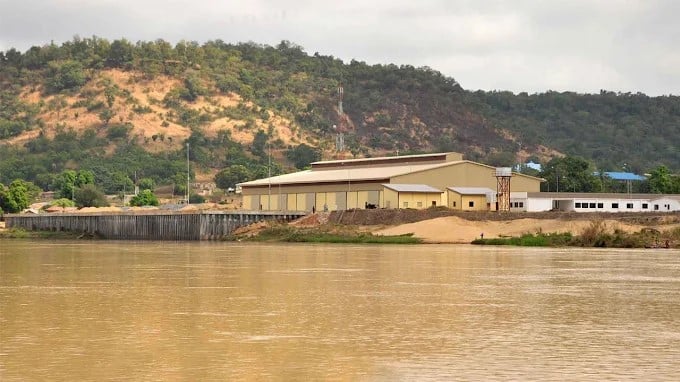
Baro Water Port
1. Completion and Expansion of the Port Facility.
a) Ferry services across the Niger.
b) Provision of barges for the movement of bulk commodities and
containers from Apapa, Burutu, and Baro.
c) Warehousing services for value-added activities and the
aggregation of agricultural commodities and solid minerals.
d) Commodity processing facilities.
e) Provision of a tank farm and modular refinery.
The plan also includes a trailer park, railway link, smart train, and
bus terminal to facilitate the movement of people and goods.
Building additional ports and berthing facilities on the island
opposite Baro Port will quadruple the capacity of the port and
significantly enhance the income of the company and the GDP of
the state government.
LOCATION: Baro and Agaie Local Government
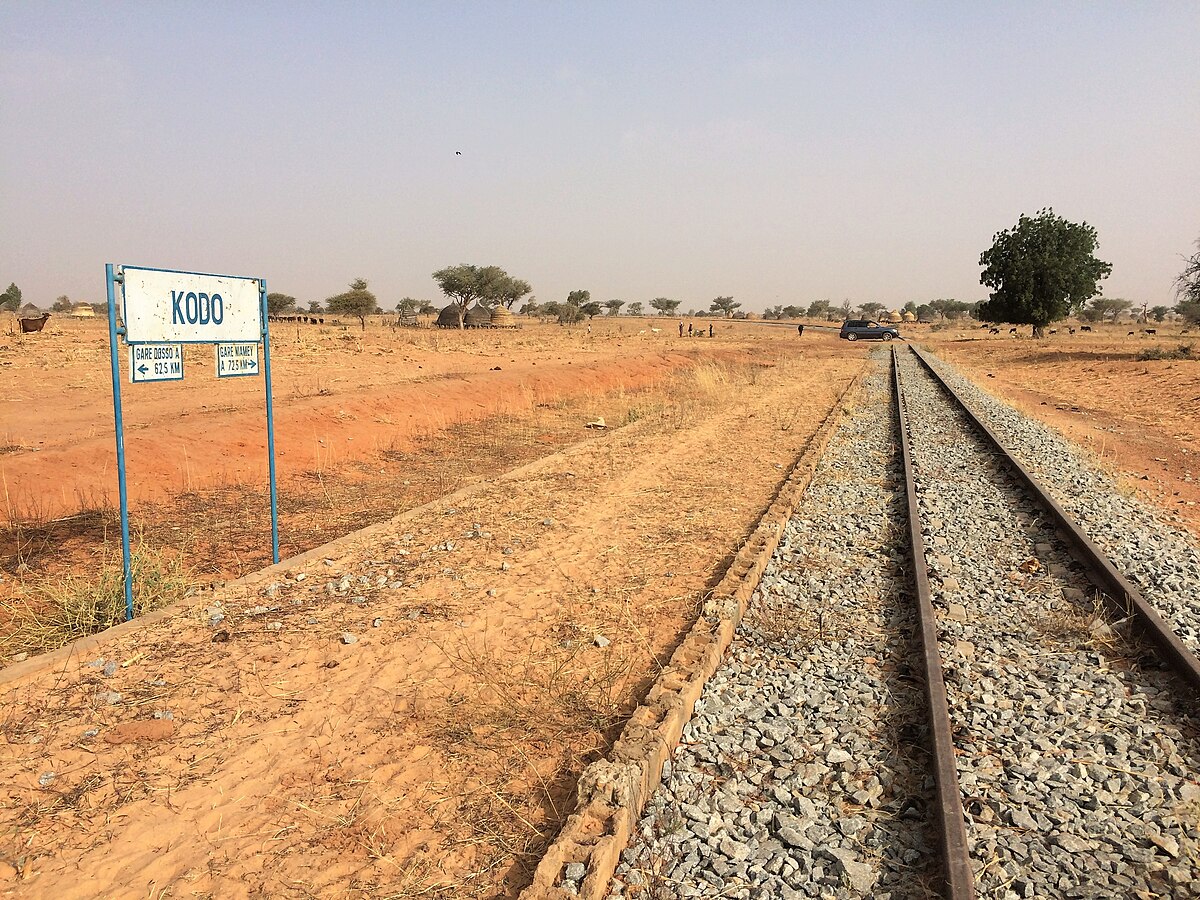
Railway Transport System
Investing in light rail transport in the state offers a cost-effective solution with construction estimates ranging from $19.30 million to $32.18 million per mile, excluding land acquisition costs. Light rail projects typically fall towards the lower end of this range, making them more financially viable.
The new Minna-Abuja route is poised to become the busiest in the region, ensuring high demand and usage. The development of this route promises to enhance connectivity, reduce traffic congestion, and provide a reliable transportation option for commuters. Additionally, the strategic focus on this infrastructure project aligns with broader economic development plans, offering investors a lucrative opportunity with the potential for substantial returns.
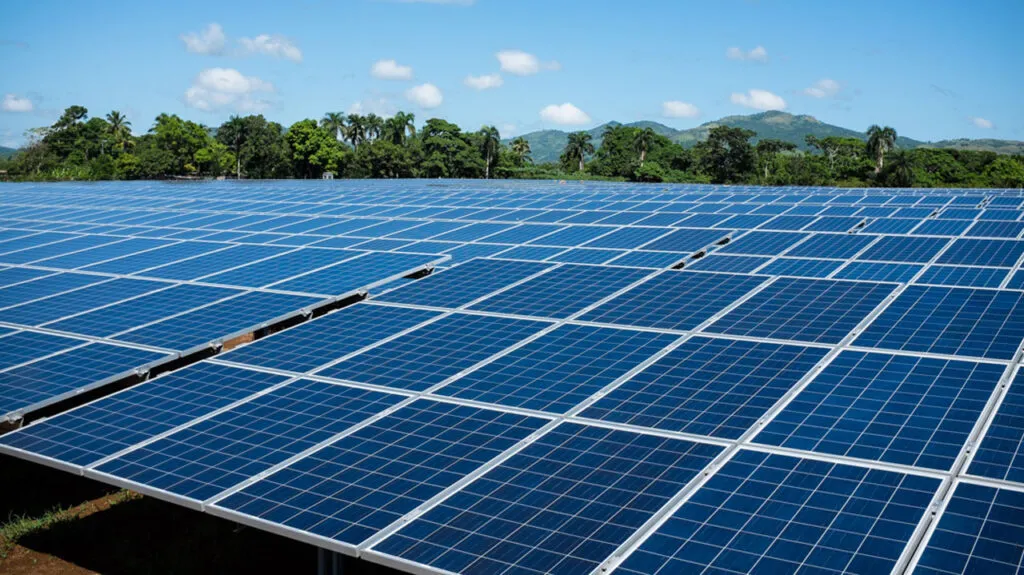
Power/Energy
Power generation presents one of the most prospective and profitable investment opportunities, with Niger State being recognized as the Power State of Nigeria. There are three primary areas for investment in the power sector: Generation,
Transmission, and Distribution. Investors can choose to focus on any of the available power generation alternatives, including:
The hydropower potential in the country stands at
approximately 14,000MW, comprising large, medium, and small
hydropower schemes.
The estimated coal reserve is over 2 billion metric tons. A total of
12.8 million tons of sub-bituminous coal can power a 10,000MW
plant for 30 years.
The Renewable Energy Master Plan targets an installed capacity
of 500MW for solar PV by 2025. Additionally, the Nigerian
government aims to generate 30% of total energy from
renewable sources by 2030, with an estimated 20% of electricity
generated coming from renewables by that year.
Opportunities include gas gathering for domestic and export use,
gas transportation, and the provision of pipeline surveillance
against vandalism.
LOCATION: Any part of the 25 Local Governments